October 2, 2026
What Are the Most Effective Types of Periodontal Treatment in Ventura?
By @louisavox602
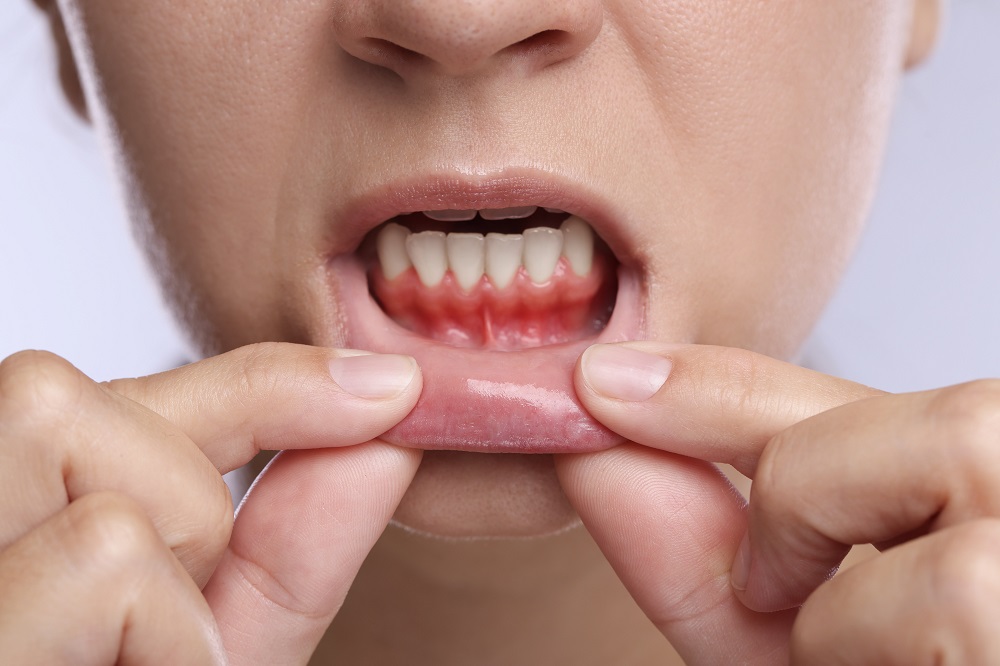
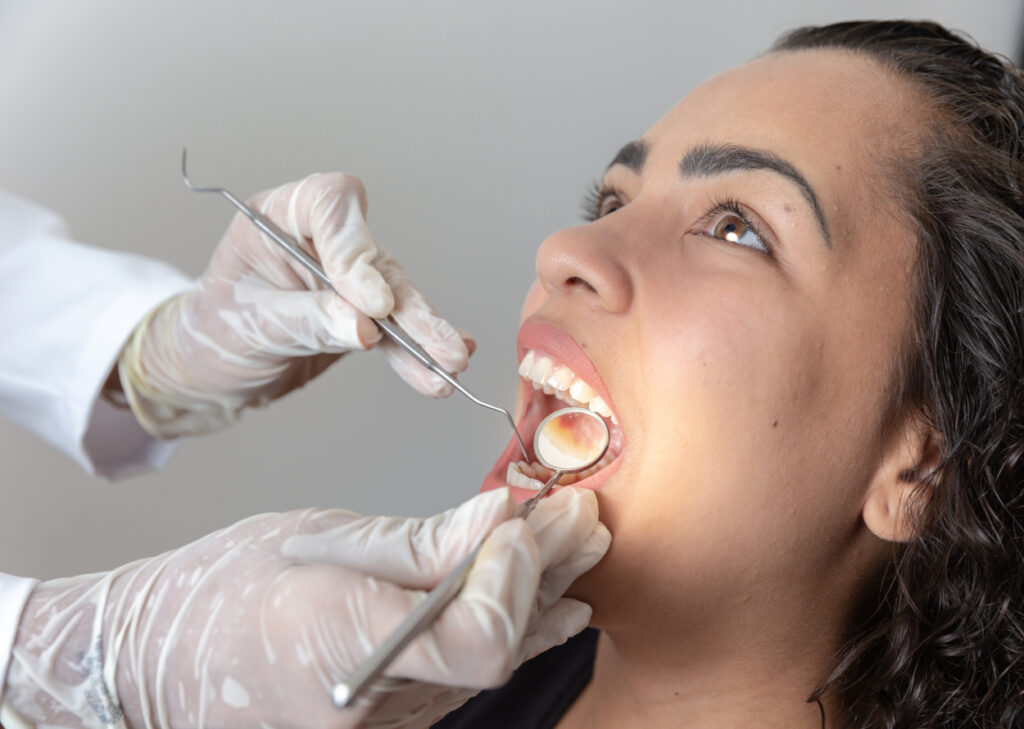
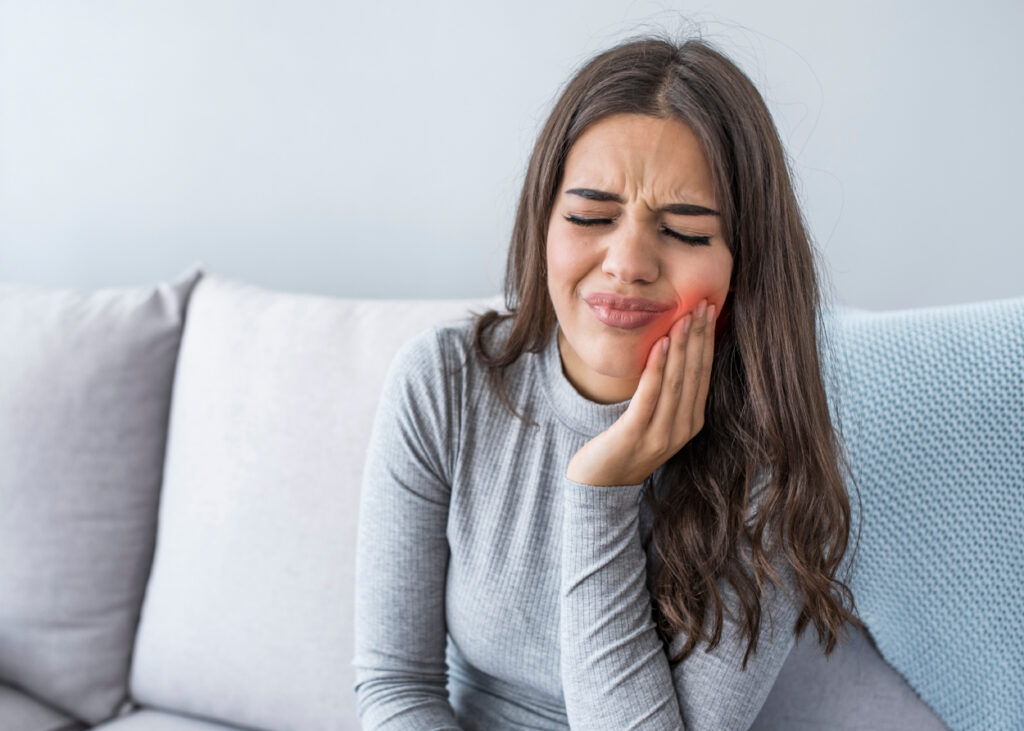
Gum disease rarely announces itself with drama at first. It starts quietly, a little bleeding when you floss, a slight puffiness near the gumline, maybe persistent bad breath that does not match how often you brush. By the time many patients in Ventura decide something is wrong, the condition has often moved beyond mild gingivitis and into periodontitis, where the supporting bone and tissues begin to break down.
That progression matters because periodontal disease is not just a cosmetic issue. It affects comfort, chewing ability, long-term tooth stability, and treatment costs. In practice, the most effective periodontal treatment is not one single procedure. It is the right treatment for the stage of disease, paired with careful diagnosis, patient follow-through, and maintenance that continues long after the first appointment.
For anyone researching Periodontal Treatment Ventura, the better question is not simply which treatment is best. It is which treatment is most effective for your specific condition, your risk factors, and the areas of your mouth that are hardest to keep healthy.
What effective treatment actually means
A successful periodontal plan does three things well. It reduces the bacterial burden beneath the gums, it gives the tissues a chance to heal and tighten, and it creates a realistic path for keeping the disease from returning. Those goals sound straightforward, but they play out differently from one patient to another.
A 32-year-old with early inflammation from inconsistent home care needs a very different approach than a 67-year-old with deep pockets, bone loss, old dental work, and a history of smoking. Both may say, “My gums bleed,” but the biology and treatment demands can be miles apart.
When periodontists and dentists talk about effectiveness, they are usually looking at measurable changes: reduced pocket depths, less https://spencerrjgk142.laurelcurrent.com/posts/periodontal-treatment-ventura-essential-care-for-healthy-gums bleeding on probing, improved attachment of the gum tissue, better bone support over time, and the patient’s ability to maintain those gains at home. Comfort, healing time, and cost matter too, but disease control is the foundation.
The first dividing line: gingivitis versus periodontitis
Gingivitis is inflammation confined to the gums. It can often be reversed with a professional cleaning and improved daily care. Periodontitis means the infection has moved deeper, creating pockets and damaging the structures that anchor teeth. That damage is not something mouthwash can fix.
This is where people sometimes lose time. They assume bleeding gums mean they need a “deep cleaning,” because that term is familiar. Sometimes they do. Sometimes they do not. A proper periodontal exam, including pocket measurements and radiographs when indicated, determines whether treatment should stay conservative or become more involved.
In Ventura, where many patients balance busy schedules, outdoor lifestyles, and a tendency to postpone care until symptoms become disruptive, that distinction can make the difference between a modest intervention and surgical treatment later.
Scaling and root planing remains the workhorse
For mild to moderate periodontitis, scaling and root planing is still one of the most effective treatments available. It is not flashy, and it is not new, but it works when used in the right case. The procedure removes plaque, tartar, and bacterial toxins from below the gumline and smooths the root surfaces so the tissue can reattach more effectively.
Patients often hear it called a deep cleaning, though that casual phrase can undersell what is happening. Proper scaling and root planing is targeted periodontal therapy. It is usually done under local anesthetic, often in sections, and the clinician spends real time reaching below the gums where standard cleanings do not go.
Its effectiveness is strongest in pockets that are not too advanced. In many cases, sites in the 4 to 6 millimeter range respond well, especially when the patient improves brushing, flossing, or interdental cleaning afterward. Bleeding often drops quickly. The gums become firmer. Measurements improve at the re-evaluation visit, typically several weeks later.
Where scaling and root planing falls short is in very deep pockets, complex root anatomy, furcation areas between roots of molars, or when the patient returns to old habits immediately. It is highly effective, but it is not magic. If plaque control remains poor, the inflammation returns.
Antimicrobial therapy can help, but it is usually an adjunct
Patients often hope for a pill or rinse that can “clear up” gum disease. In reality, antibiotics and antimicrobial agents can support periodontal treatment, but they are rarely the main event. Mechanical removal of bacteria and deposits is still essential.
That said, adjunctive antimicrobial treatment can be useful in select Ventura periodontal cases. Local delivery antibiotics placed directly into pockets may help in stubborn sites after scaling and root planing. Prescription antimicrobial rinses can reduce bacterial load in some situations, especially right after treatment when the tissues are healing. Systemic antibiotics are used more selectively, usually when the clinical picture suggests an aggressive pattern or when certain high-risk features are present.
The trade-off is straightforward. Adjuncts may improve outcomes in the right patient, but overusing them adds cost and raises questions about resistance, side effects, and diminishing returns. Clinically, they work best when they support a solid mechanical debridement plan, not when they replace it.
Laser periodontal therapy has appeal, with important caveats
Laser treatment gets attention because it sounds less invasive and often promises easier recovery. In some practices, lasers are used to reduce inflamed tissue, disinfect periodontal pockets, and support healing after scaling and root planing or during surgery. Some patients report less post-operative discomfort compared with more traditional approaches.
The key point is judgment. Laser therapy can be a useful tool, but its effectiveness depends heavily on the device, the operator’s training, the disease pattern, and whether conventional cleaning and debridement have been done properly. It is not automatically superior to established methods.
In experienced hands, laser-assisted periodontal therapy may help reduce bacteria and inflamed tissue in moderate cases or aid pocket management. But if a patient has heavy calculus deposits, advanced bone loss, or difficult root surfaces, a laser alone is not enough. The best clinicians tend to frame it accurately: a possible enhancement, not a blanket substitute for all other forms of periodontal treatment.
For patients comparing Periodontal Treatment Ventura options, this is worth keeping in mind. If a treatment sounds effortless, ask what it is replacing, what evidence supports it in your specific case, and how success will be measured at the follow-up exam.
Surgical pocket reduction becomes effective when access is the real problem
When pockets remain deep after non-surgical therapy, or when anatomy makes thorough cleaning impossible, periodontal surgery often becomes the most effective next step. The goal is not simply to “do surgery” because the disease is severe. It is to gain access to the infected root surfaces and reshape areas that trap bacteria.
Flap surgery, sometimes called pocket reduction surgery, allows the periodontist to gently reflect the gum tissue, clean the roots more completely, and address defects in the supporting bone. Once the tissues are repositioned, the pockets are often shallower and easier to maintain.
This can make a dramatic difference in the right patient. I have seen people struggle for years with recurring inflammation around the same molars despite repeated cleanings, only to stabilize once those deep, inaccessible pockets were treated surgically. It is rarely the first step, but it is often the most effective one when less invasive care has reached its limit.
The main downside is obvious. Surgery involves more healing time, higher cost, and a stronger commitment to aftercare. It also requires realistic expectations. Surgery can improve prognosis, but it cannot restore every site to a pristine, never-damaged state.
Regenerative procedures matter when bone can be saved
Not every periodontal defect is the same. Some bone loss patterns are broad and flat, making regeneration less predictable. Others are more contained, almost like sheltered craters around the tooth, and those are the defects where regenerative therapy may offer real benefit.
Bone grafting, guided tissue regeneration, and the use of biologic materials can help rebuild support in carefully selected areas. This is one of the more sophisticated sides of periodontics because success depends on anatomy, infection control, smoking status, systemic health, and patient compliance after surgery.
When it works well, the payoff is significant. Regeneration may improve tooth stability and help preserve teeth that would otherwise face a poor long-term outlook. It is often especially valuable around strategic teeth, such as molars that do much of the chewing or teeth that support future restorative work.
Still, not every deep pocket is a regeneration case. Some defects are not favorable. Some patients are not good candidates because healing capacity is compromised or oral hygiene is unreliable. The most effective treatment is sometimes a simpler, more maintainable procedure rather than an ambitious one with low predictability.
Gum grafting is highly effective for recession, not for every form of gum disease
Patients often bundle all gum treatment together, but gum grafting addresses a different problem than pocket reduction. Recession can result from periodontal disease, aggressive brushing, thin tissue, tooth position, or a combination of factors. When roots are exposed, patients may feel sensitivity, notice teeth looking longer, or worry about further tissue loss.
Soft tissue grafting can be very effective for covering exposed roots, thickening fragile gum tissue, and protecting vulnerable areas from continued recession. In some cases, it also improves aesthetics significantly, especially in the smile zone.
What grafting does not do is treat active deep infection on its own. If inflammation and periodontal pockets are still present, those issues must be brought under control first. Once the disease is stable, grafting may become part of the longer-term plan.
Dental implants can solve one problem and complicate another
When periodontal disease is advanced and a tooth cannot be predictably saved, extraction and implant placement may become the best option. Patients sometimes assume implants are immune to gum problems because they are artificial. They are not. Implants can develop peri-implant disease, especially in people with a history of periodontitis.
This is why a thoughtful Ventura periodontal provider does not rush to remove every compromised tooth. Saving a natural tooth with a fair to good prognosis is often worthwhile. On the other hand, hanging onto a hopeless tooth too long can lead to more bone loss and make future replacement harder.
This decision is one of the most nuanced parts of treatment planning. It depends on bone levels, mobility, root anatomy, restorative needs, bite forces, finances, and the patient’s willingness to keep up with maintenance. Effectiveness here is not just about what can be done. It is about what is likely to remain stable five or ten years from now.
The treatments that tend to be most effective, by situation
Different stages and patterns of disease call for different tools. In everyday clinical terms, the most effective options usually line up like this:
- Professional prophylaxis and improved home care for gingivitis without attachment loss.
- Scaling and root planing for mild to moderate periodontitis and pockets that are still accessible.
- Adjunctive antimicrobials for persistent sites or select bacterial patterns, always paired with mechanical treatment.
- Periodontal surgery for deep residual pockets, difficult root anatomy, or defects that non-surgical care cannot adequately manage.
- Regenerative or grafting procedures when the anatomy is favorable and preserving tissue or bone will meaningfully improve prognosis.
That sequence is not a rigid ladder. Some patients need a blend from the start. Others respond so well to non-surgical therapy that surgery becomes unnecessary.
Why maintenance is often the deciding factor
The less glamorous answer to the “most effective treatment” question is periodontal maintenance. After active therapy, whether non-surgical or surgical, many patients need periodontal maintenance visits every three to four months rather than routine cleanings twice a year. That schedule is not arbitrary. The bacterial population under the gums tends to repopulate on a timeline that makes shorter intervals useful for people with a history of periodontitis.
This is the phase where successful treatment is either preserved or slowly undone.
A common pattern looks like this: a patient completes scaling and root planing, pocket depths improve, bleeding decreases, and everything seems under control. Then life gets busy. Maintenance gets postponed to six, eight, or twelve months. The deepest sites relapse. By the time symptoms become obvious again, some of the gains are gone.
Ventura patients who surf, hike, travel, and juggle work often appreciate practical guidance more than lectures. Keep the maintenance visits. Use the home care devices that actually fit your routine. If string floss is not happening nightly, an interdental brush or water flosser may be more realistic and therefore more effective in real life.
What good home care looks like after treatment
The most successful patients are not always the most obsessive. They are the most consistent. After periodontal therapy, good home care usually includes a soft toothbrush, careful gumline brushing, daily cleaning between the teeth, and whatever special tools are appropriate for bridges, implants, or wider spaces.
A simple maintenance routine is usually better than an elaborate one that collapses after a week. The important thing is reaching the areas where plaque matures undisturbed.
Here are the habits that make the biggest difference after treatment:
- Brush thoroughly twice a day, especially along the gumline rather than only the biting surfaces.
- Clean between the teeth every day with floss, interdental brushes, or another tool your clinician has specifically recommended.
- Keep periodontal maintenance appointments on schedule, even when your mouth feels fine.
- Address smoking, vaping, dry mouth, or uncontrolled diabetes, because each of these can worsen periodontal breakdown.
- Report bleeding, tenderness, or shifting teeth early rather than waiting for the next routine visit.
None of that is dramatic, but it is what keeps treatment effective.
Choosing the right provider in Ventura
Not every gum problem requires a periodontist, but many moderate to advanced cases benefit from specialist evaluation. A strong provider will perform a full periodontal charting, explain the severity and pattern of the disease, review radiographs with you, and lay out the pros and cons of each approach. They should also be clear about what treatment can achieve and what it cannot.
Patients should feel comfortable asking practical questions. How deep are the pockets? Which teeth are most at risk? What happens if we start with non-surgical treatment? At what point would surgery become advisable? How often will re-evaluation occur? These questions usually lead to better decisions than asking only, “What is the newest treatment?”
When people search for Periodontal Treatment Ventura, they often encounter marketing language first. It helps to focus on fundamentals instead. Look for careful diagnosis, conservative judgment, measurable follow-up, and a maintenance plan that extends beyond the first procedure.
The bottom line on effectiveness
The most effective periodontal treatment in Ventura is usually the least invasive option that can reliably stop disease progression and remain maintainable over time. For many patients, that starts with scaling and root planing and a serious upgrade in home care. For deeper or more complex cases, periodontal surgery provides the access needed to treat what instruments cannot fully reach through the gumline alone. Regenerative techniques and grafting add value when the anatomy and goals justify them. Antimicrobials and lasers can help in selected situations, but they are support acts, not universal answers.
What matters most is fit. The right treatment is the one matched to the depth of disease, the condition of the bone and gums, the anatomy of the teeth, and the patient’s ability to maintain the result. When that match is good, periodontal therapy can be remarkably effective, even in mouths that looked headed for major trouble just a few months earlier.
Avra Dental
Address: 1708 S Victoria Ave B, Ventura, CA 93003
Phone number: (805) 941-1001
FAQ About Periodontal Treatment Ventura
Can a dentist get rid of periodontal disease?
A dentist or gum specialist (periodontist) cannot fully cure or reverse advanced periodontal disease (periodontitis), but they can successfully stop its progression and manage the infection.
Is periodontitis very serious?
Yes, periodontitis is a very serious, advanced form of gum disease that destroys the bone and tissues supporting your teeth.
How is stage 2 periodontal disease treated?
Stage 2 periodontal disease (early to moderate periodontitis) is primarily treated with non-surgical deep cleaning procedures like scaling and root planing to remove bacteria and tartar below the gumline.
❧